
Door repairs & adjustments
Door repair on the Gold Coast and in Brisbane
Doors that stick, rub, drift open or won't latch are nearly always fixable. We find the cause, repair it and leave the door closing quietly, without replacing anything that doesn't need it.
- Fully licensed · QBCC338940C
- InsuranceFully insured
- Warranty3 months on new installations
- Service areaGold Coast & Brisbane
Fix the cause
Why doors stop closing properly
A door that used to close fine and now drags on the frame has usually changed for one of three reasons. The timber has taken on moisture and swollen, often because an edge was never sealed. The hinges have worked loose and the door has dropped on the latch side. Or the house has moved a little, which happens in parts of South East Queensland where clay soils swell after heavy rain and shrink again in dry spells.
Planing the edge is the fix most people expect, but it's often the wrong first step. If the hinges are loose, planing just moves the problem and the gap opens up on the other side. So we check the hinges first, usually swapping short screws for longer ones that bite into the framing, then adjust the strike plate, and only take timber off where it's really needed. Any edge we plane gets sealed again so it doesn't swell straight back.
We also repair damage: holes punched or kicked through hollow-core doors, jambs split by a forced entry, edges chewed by the dog, and rotted bottoms on external doors. Plenty of it can be patched and painted to look like new, and when it can't, we'll tell you a new door is the better value. We fix doors across the Gold Coast, from Hope Island and Coomera to Robina, and right across Brisbane.
What we do
Door repairs we do
Sticking & rubbing doors
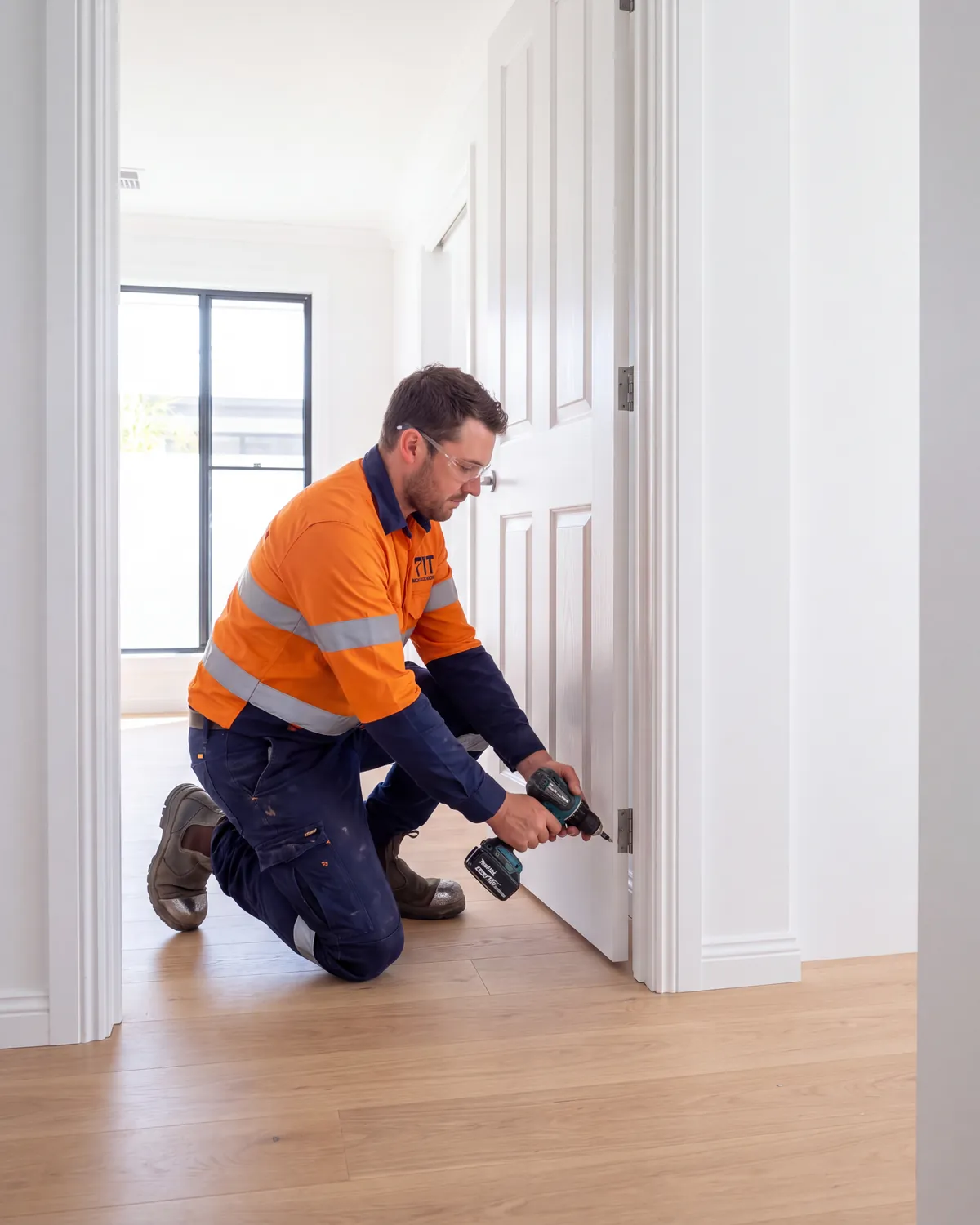
Hinges tightened or packed, the door brought back into square, and edges planed and resealed only where they need it.
Doors that won't latch
Strike plates moved or re-cut and latches adjusted or replaced, so the door clicks shut first time.
Hinge repairs
Loose, worn or squeaky hinges replaced, stripped screw holes plugged and re-drilled, and sagging doors lifted back into line.
Holes & damage
Holes in hollow-core doors filled and finished, and dented or chipped edges built up and sanded, ready for paint.
Frames & jambs
Split or broken jambs repaired after a forced entry, and loose door stops and architraves refixed.
External door bottoms
Swollen or weathered bottoms trimmed and sealed, with a new door bottom seal fitted to keep the rain out.
Call us when your door…
- Catches on the frame or the floor and needs a shove to close
- Swings open or shut on its own
- Only latches if you lift it or lean on it
- Has an uneven gap that's wider at the top on one side
- Has a hole, split or crack in the face
- Squeaks, or the hinges look like they're pulling out of the frame
What affects the price
- What's causing the problem: a quick adjustment or a proper repair
- Whether the door has to come off to be planed and resealed
- Replacement parts like hinges, latches or seals
- Painting the repaired patch or the whole door
- Bundling a few doors or other small jobs into one visit
A short video of the door opening and closing tells us a lot. Send it with a photo of the hinges and we'll quote from there.
FAQ
Door repair questions
Why do my doors stick in summer but not in winter?
Timber takes on moisture in humid weather and swells, then shrinks back when the air dries out. Doors with unsealed top and bottom edges move the most. Sealing those edges, after any planing, usually stops the seasonal sticking.
Can a hole in a hollow-core door be fixed?
Small and medium holes can usually be filled, sanded and painted so they're hard to spot. A big hole, or damage that's crushed the inside of the door, can cost nearly as much to fix as a new door. We'll tell you which makes more sense.
My door won't latch. Is the lock broken?
Usually not. Most of the time the door has dropped or the frame has shifted, so the latch no longer lines up with the strike plate. Tightening the hinges or moving the strike plate sorts it out in most cases.
Should I just plane the door myself?
You can, but check the hinges first. If the door has dropped because of loose screws, planing leaves a gap on the other side, and a bare planed edge will swell again. If you do plane it, seal the raw timber straight away.
Do cracks above my door mean something serious?
Fine cracks at the corners of door frames are common and usually come from normal house movement. Large or widening cracks, or doors all over the house sticking at once, are worth having a structural engineer look at. We'll tell you if we think you need one.
Do you fix external doors too?
Yes. Front, back and laundry doors take the weather, so we often see swollen bottoms, worn seals and soft timber at the base. We trim, repair, reseal and fit new seals so they close well and stay dry.
Related services
Often booked together
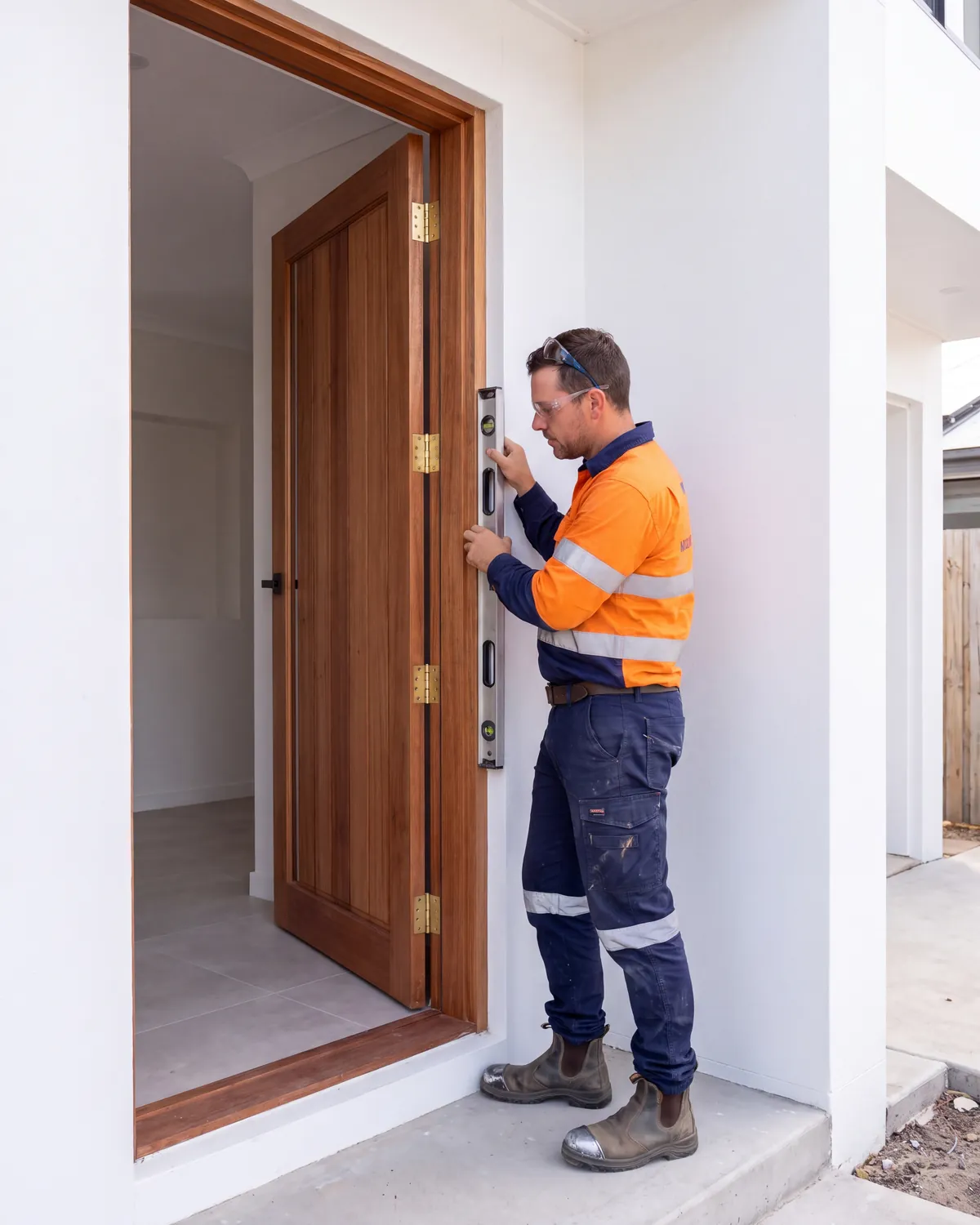 Door installation
New front, internal and sliding doors, supplied and hung square.
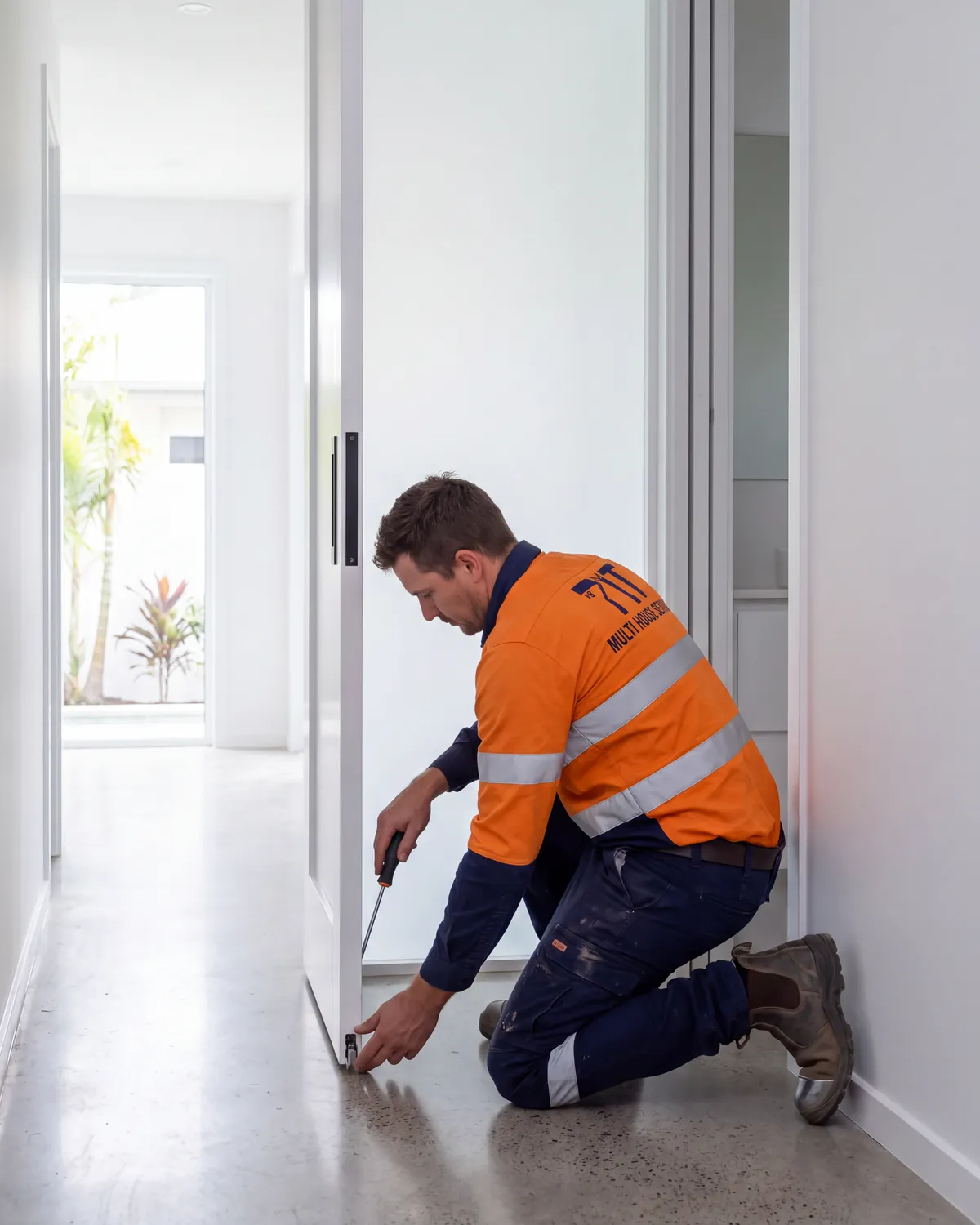 Sliding door repair
Cavity, wardrobe and patio sliders put back on track and running smoothly.
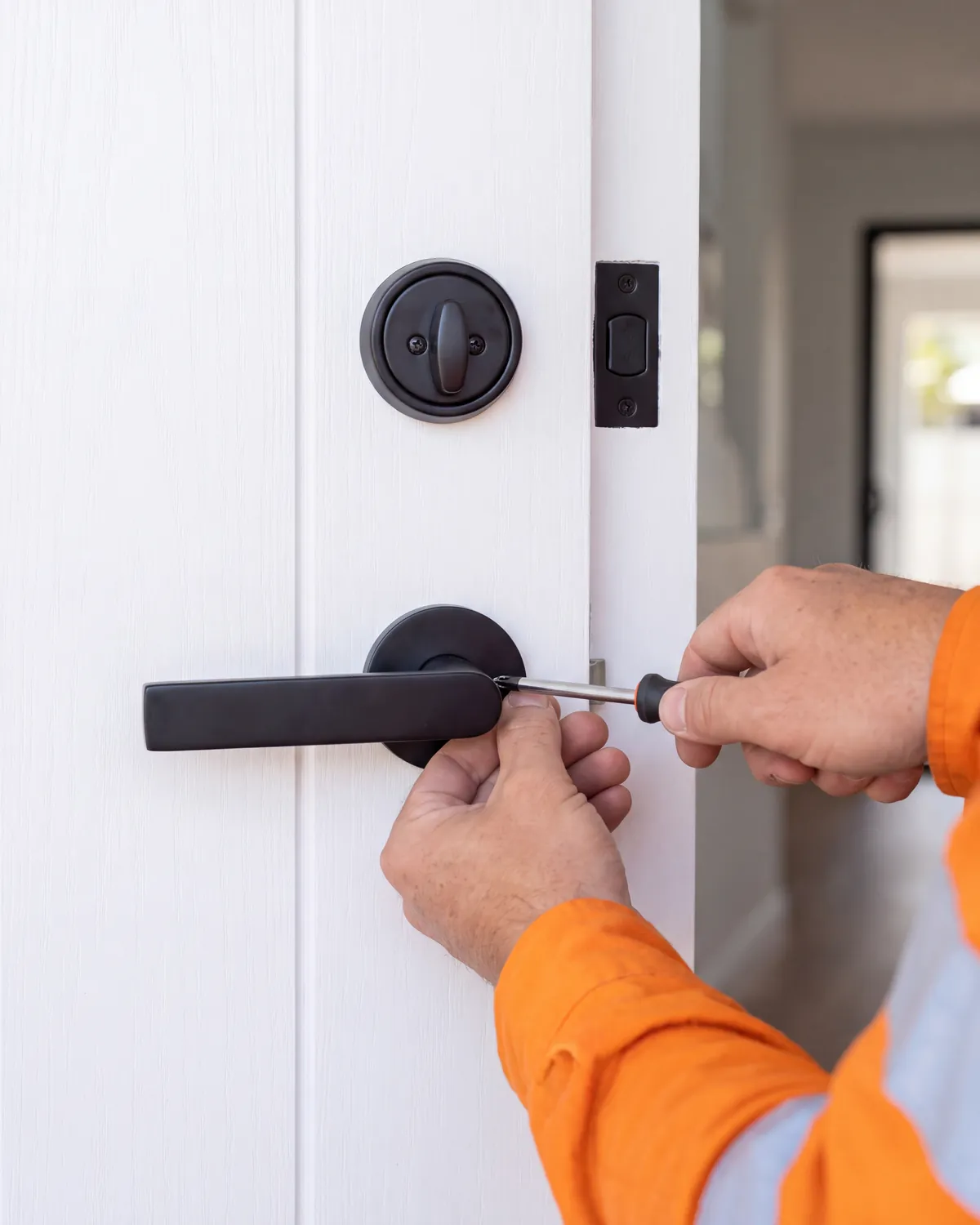 Locks & door handles
New handles, deadbolts, closers and latches fitted neatly and set to work properly.
 Paint & plaster
Patch and paint after repairs, so the wall is finished, not just fixed.
Helpful reading
Guides from the job
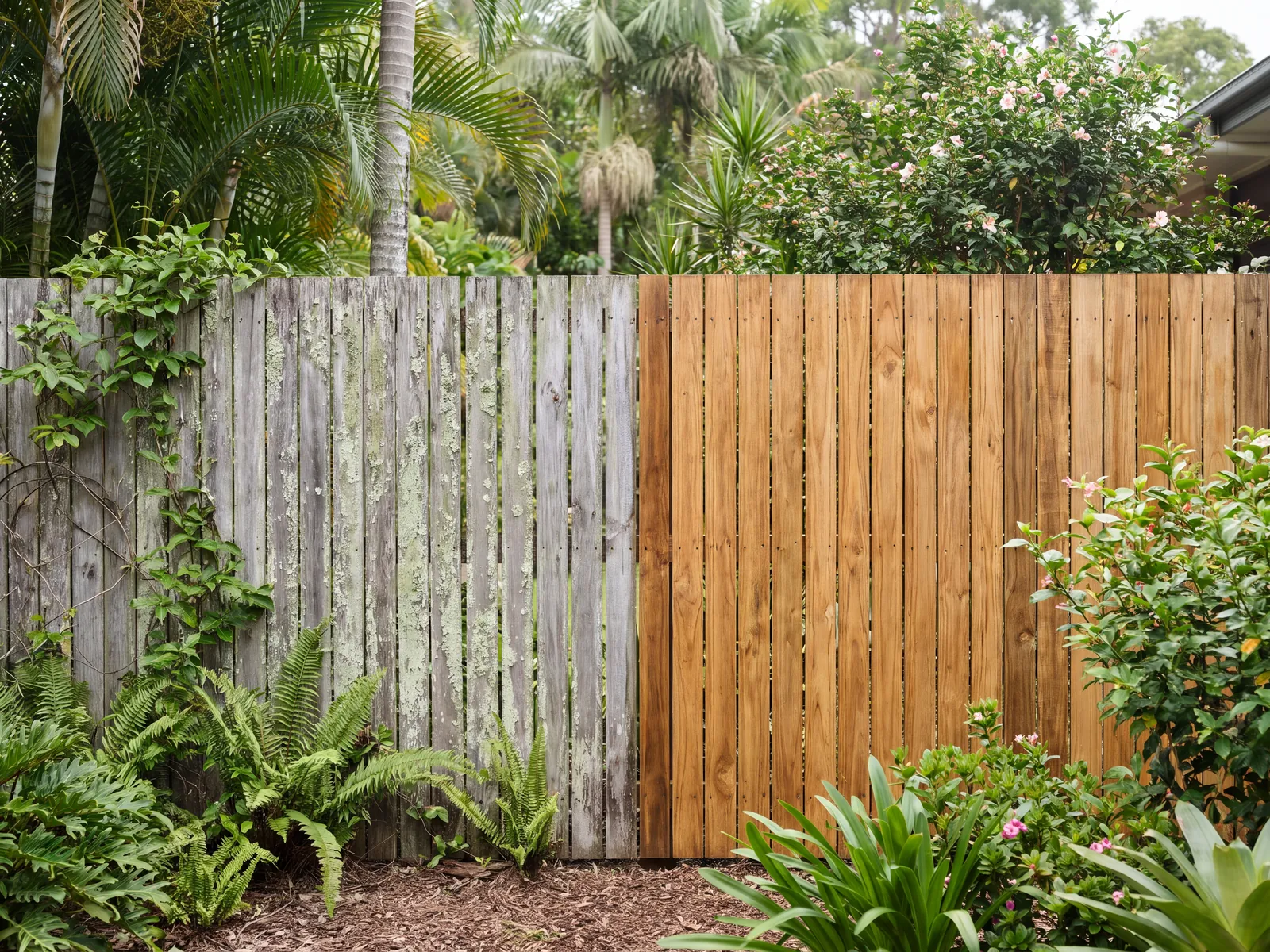 How to look after fences, screens and timber doors in Queensland
Cleaning and protecting fences, batten screens and timber doors, with oil vs stain vs paint explained.
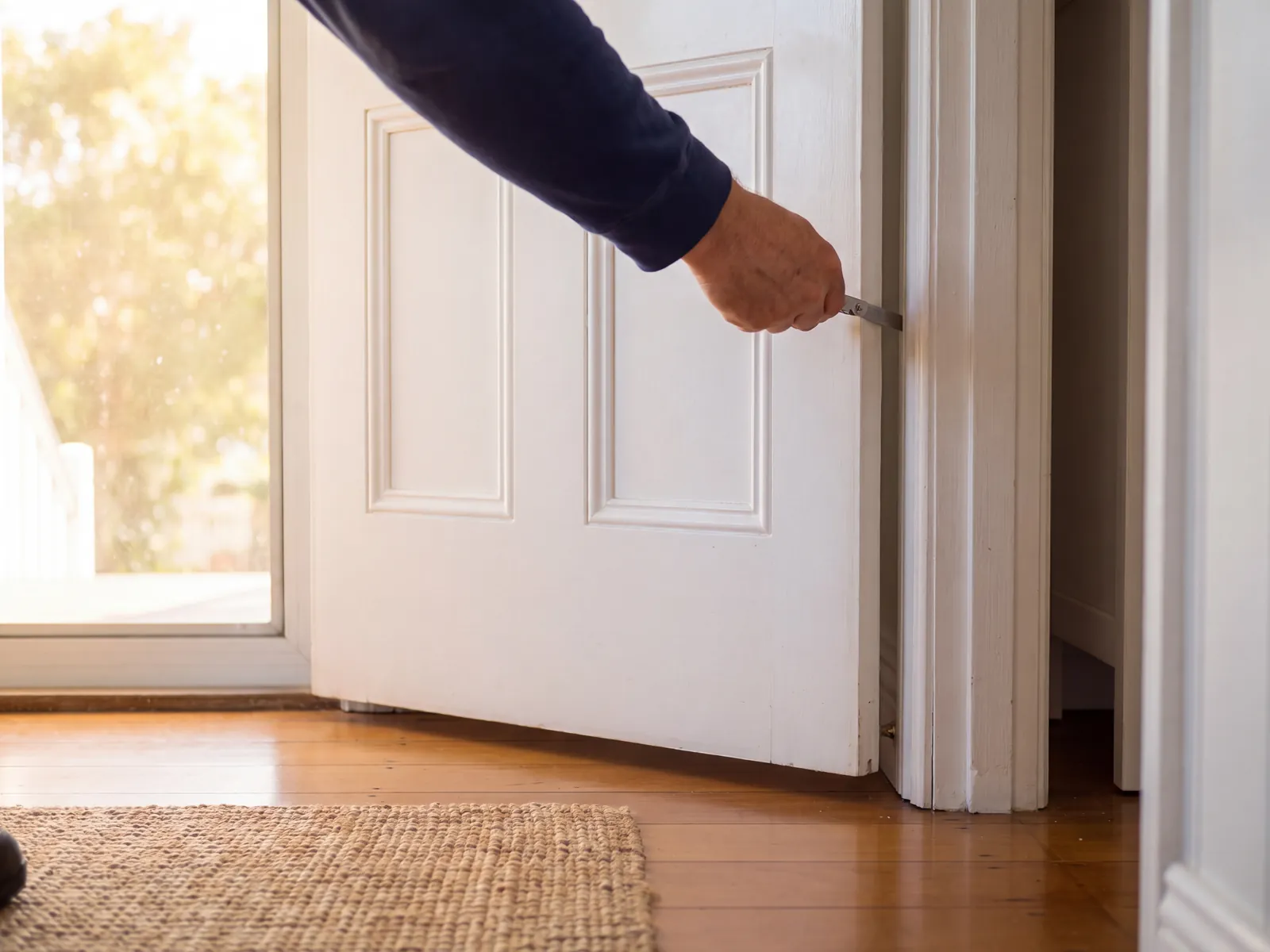 Why doors stick in summer, and how to fix them for good
The five usual reasons doors stick in a Queensland summer, and the right order to fix them.
Free quote
Get a door repair quote
Send a few details and photos of the job. We usually reply the same day.
0410 442 503 multihouseservices@gmail.com